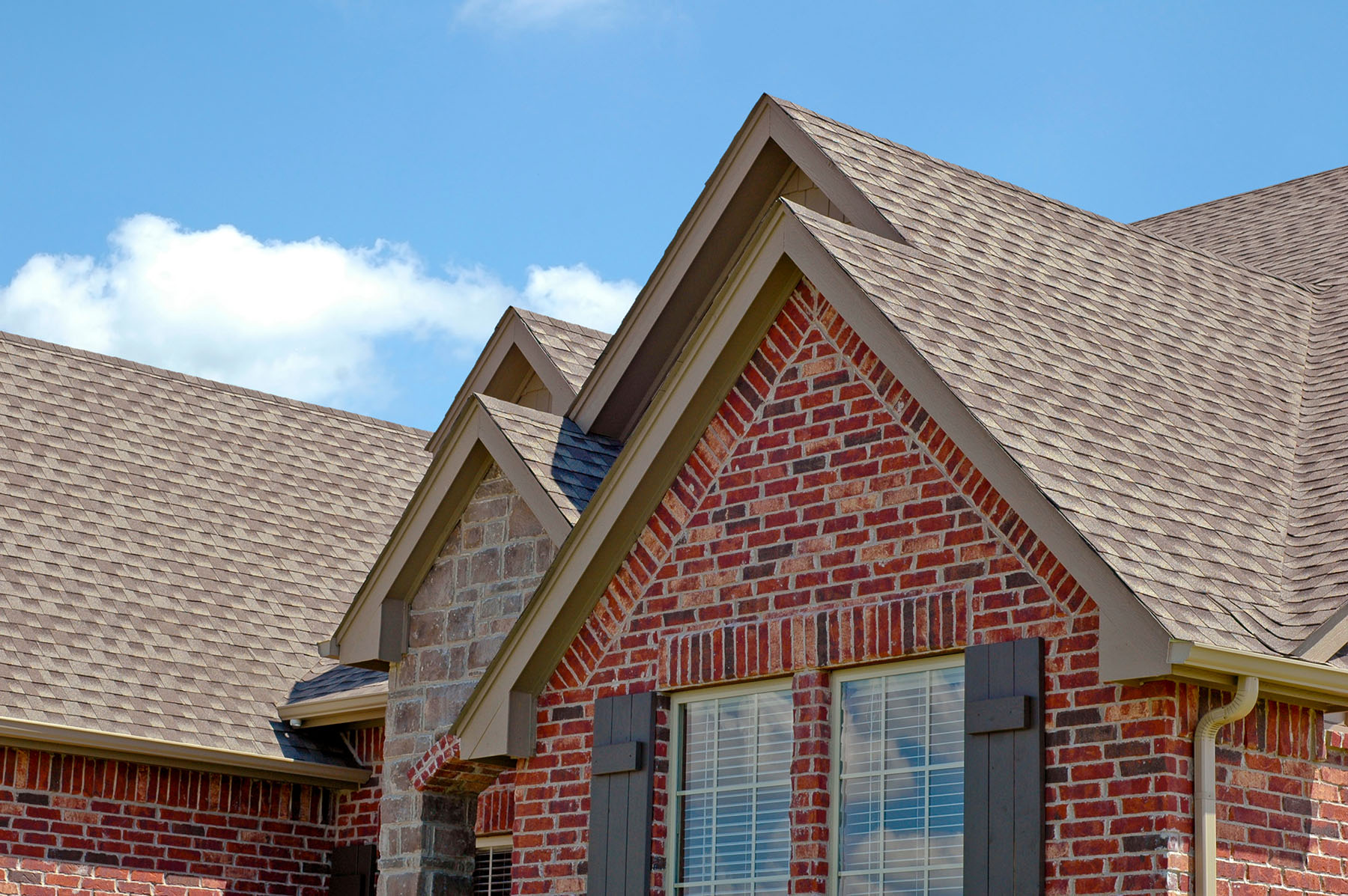
The roof lifespan florida homeowners can expect is very different from what roofing manufacturers advertise nationally. Florida’s climate is uniquely demanding, combining intense UV exposure, high humidity, salt air in coastal areas, and regular tropical storms. As a licensed Florida roofing contractor serving Southwest Florida, Roofing Rescue frequently sees roofs reach the end of their service life much sooner than homeowners anticipate. Understanding how long your roof should last in Florida—and what shortens or extends that lifespan—can help you protect your home and avoid costly surprises.
Why Florida’s Climate Has Such a Major Impact on Roof Lifespan
Florida roofs endure environmental stressors that simply do not exist in many other parts of the country. Prolonged heat and UV radiation break down roofing materials faster, causing shingles to dry out, tile to weaken, and sealants to fail. High humidity creates ideal conditions for mold, algae, and moisture intrusion, which can compromise roof decking and underlayment long before surface materials appear damaged. In Southwest Florida, salt air accelerates corrosion on metal components, fasteners, and flashing.
Storm activity further reduces roof lifespan in Florida. Even storms that do not cause visible damage can loosen fasteners, shift tiles, or compromise underlayment. Over time, these small issues accumulate and shorten the functional life of the roof system. Roofing Rescue regularly performs post-storm inspections where damage is present but not visible from the ground, highlighting why Florida roofs often fail internally before homeowners notice obvious problems.
Building codes and insurance requirements in Florida also affect roof lifespan. Insurance companies may require roof replacements based on age, not just condition, particularly for shingle roofs. This means that even a roof that appears “fine” may no longer meet insurability standards after a certain number of years.
Average Roof Lifespan in Florida by Material Type
Roof lifespan in Florida varies significantly depending on the material used and how well the roof has been maintained. Asphalt shingle roofs, the most common residential roofing type, typically last 15 to 20 years in Florida, compared to 25 to 30 years in milder climates. Heat, UV exposure, and wind uplift are the primary factors that shorten their lifespan.
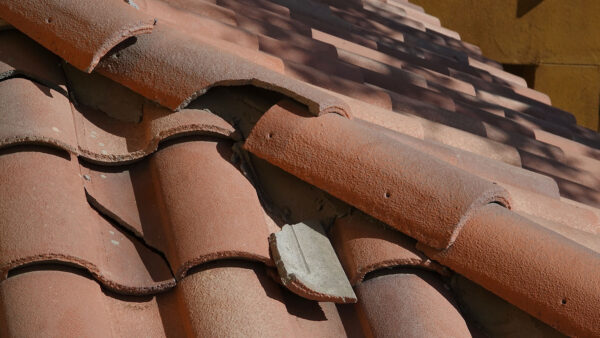
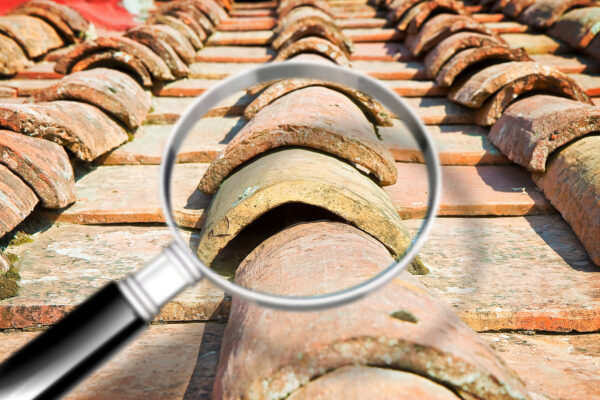
Tile roofs, including concrete and clay, generally last longer in Florida, often 25 to 40 years. However, the tile itself is only part of the system. Underlayment beneath the tile frequently fails long before the tile does, making inspections critical. Roofing Rescue often finds tile roofs that appear intact but have underlying moisture damage requiring major repairs or replacement.
Metal roofs offer the longest roof lifespan Florida homeowners can expect, frequently lasting 40 to 50 years or more when properly installed. They perform exceptionally well in high-wind conditions and reflect heat efficiently, reducing thermal stress. That said, coastal environments still require careful maintenance to prevent corrosion and fastener failure.
How Storms and Hurricanes Shorten Roof Lifespan in Florida
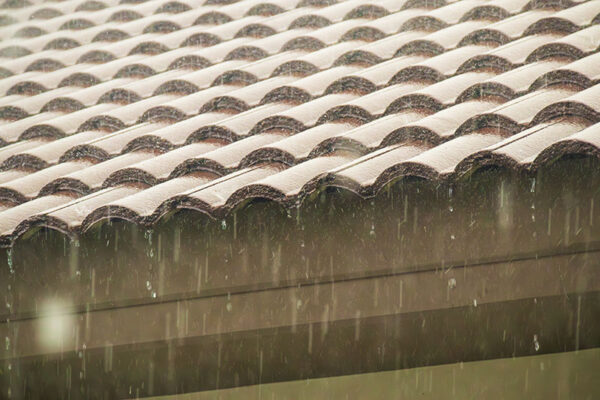
Storm damage is one of the biggest factors affecting roof lifespan Florida homeowners face. Wind uplift can loosen shingles, displace tiles, and compromise flashing even when no pieces are missing. Heavy rain exploits these weaknesses, leading to slow leaks that may go unnoticed for months. After major storms, Roofing Rescue frequently documents hidden damage during post-storm roof inspections that would otherwise reduce roof life significantly.
Homeowners often search for what to do after roof storm damage because timing matters. Delaying inspections allows moisture intrusion to worsen, potentially voiding insurance coverage and increasing repair costs. Emergency roof repair Florida services, such as temporary tarping, are sometimes necessary to prevent additional damage while permanent repairs or insurance decisions are made.
Using a roof damage checklist after a storm helps homeowners identify warning signs such as missing shingles, cracked tiles, granules in gutters, or water stains on ceilings. Even when no visible damage exists, professional inspections remain essential for preserving roof lifespan in Florida’s storm-prone environment.
The Role of Roof Inspections in Extending Roof Lifespan
Regular inspections are one of the most effective ways to extend roof lifespan Florida homeowners can realistically achieve. Professional roof inspections identify minor issues before they escalate into major failures. Roofing Rescue recommends inspections at least once per year and after any significant storm event, especially in Lee, Charlotte, and Collier Counties.
Post-storm roof inspections are particularly important because insurance timelines often require prompt documentation. A licensed contractor can provide photographic evidence, written reports, and professional assessments that protect both the homeowner and the integrity of the roof. Skipping inspections often leads to undetected underlayment damage, which shortens roof life regardless of surface material condition.
Inspections also help homeowners plan financially. Knowing when a roof is approaching the end of its lifespan allows time to budget, explore material upgrades, and avoid emergency replacements. This proactive approach aligns with Roofing Rescue’s focus on long-term solutions rather than reactive fixes.
Insurance, Building Codes, and Roof Age in Florida
Florida insurance regulations play a significant role in roof lifespan considerations. Many insurers apply age thresholds, particularly for asphalt shingle roofs, when determining eligibility for coverage or renewal. Even if a roof is not actively leaking, its age alone may trigger replacement requirements.
Florida building codes are also updated regularly to reflect improved wind resistance and safety standards. Older roofs may no longer meet current code requirements, especially after storm damage. Roofing Rescue ensures all replacements comply with the latest Florida Building Code, which not only protects the home but also improves insurability and resale value.
Understanding these regulatory factors is critical for homeowners who want to avoid last-minute insurance cancellations or forced replacements. A professional inspection provides clarity on where your roof stands in relation to current requirements.
Signs Your Roof Is Near the End of Its Lifespan
Recognizing when a roof is nearing the end of its useful life is essential for Florida homeowners. Common warning signs include frequent leaks, widespread shingle granule loss, curling or cracking shingles, sagging rooflines, and recurring repairs. For tile roofs, cracked tiles and deteriorating underlayment are key indicators.
Interior signs, such as water stains, musty odors, or visible mold in attic spaces, often signal deeper issues that affect roof lifespan Florida homes experience. These symptoms usually indicate moisture intrusion that has already compromised structural components.
Roofing Rescue emphasizes that age combined with these signs typically means replacement is the most cost-effective and safest option. Continuing to repair an aging roof often leads to higher long-term costs and increased risk during storm season.
Choosing the Right Roofing Solution for Long-Term Performance
Selecting the right roofing material and contractor plays a major role in maximizing roof lifespan Florida homeowners depend on. Material choice should consider location, exposure to wind and salt air, energy efficiency goals, and long-term maintenance expectations. Professional installation is just as important as material selection, as improper installation can drastically reduce lifespan.
Roofing Rescue’s experience across Southwest Florida allows for tailored recommendations based on local conditions and homeowner priorities. Whether upgrading to metal roofing for longevity or replacing an aging shingle roof to meet insurance requirements, informed decisions lead to better outcomes.
Long-term performance also depends on ongoing maintenance, timely inspections, and addressing minor issues before they escalate. A roof should be viewed as a system, not just a surface, especially in Florida’s demanding climate.
Final Thoughts on Roof Lifespan in Florida
Understanding roof lifespan Florida homeowners can expect empowers smarter planning and better protection for one of your most valuable assets. Climate, storms, materials, inspections, and insurance requirements all influence how long a roof will last. By staying informed and proactive, homeowners can avoid unexpected failures and costly emergency repairs.
If you have questions about inspections, storm damage documentation, or compliance requirements, consider reaching out for professional guidance. Contact The Inspection Group to learn more about training, inspections, and compliance support that can help protect your property and extend the life of your roof.