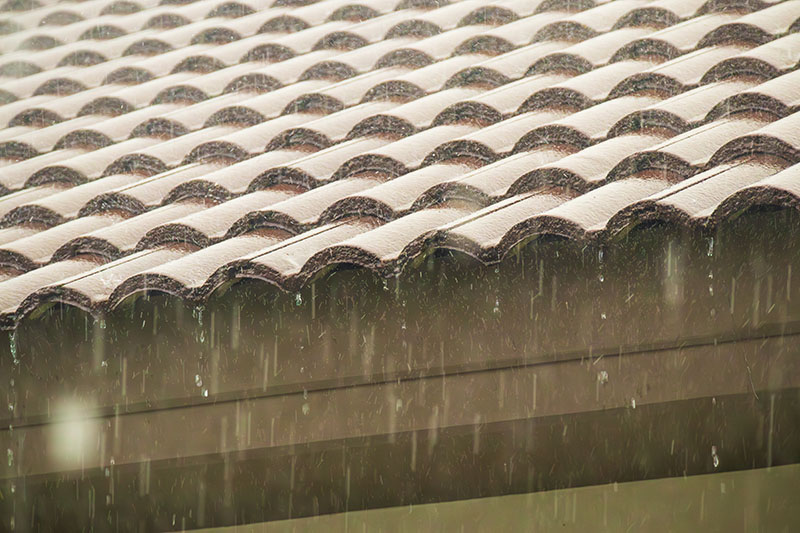
Storm damage roof repair is one of the most urgent concerns Florida homeowners face after severe weather. In Southwest Florida, storms can bring high winds, heavy rain, flying debris, and sudden pressure changes that stress roofing systems in ways that are not always immediately visible. Even if your roof looks intact from the ground, damage may already be present beneath the surface. Knowing what to do after a storm helps protect your home, your insurance coverage, and your long-term investment.
Why Roof Damage Isn’t Always Obvious After a Storm
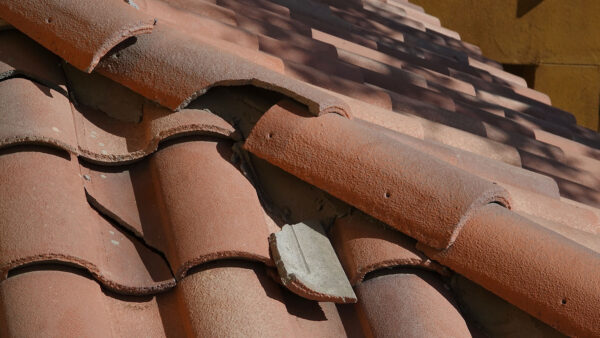
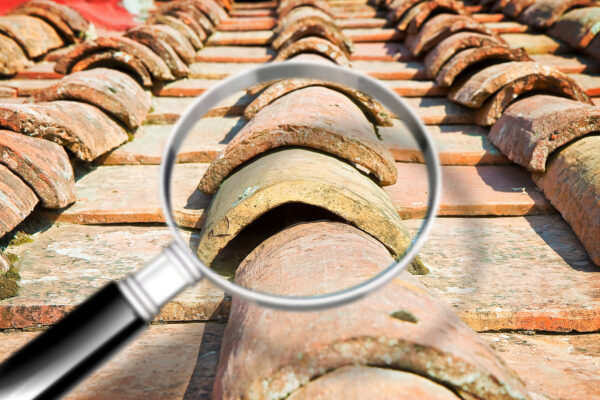
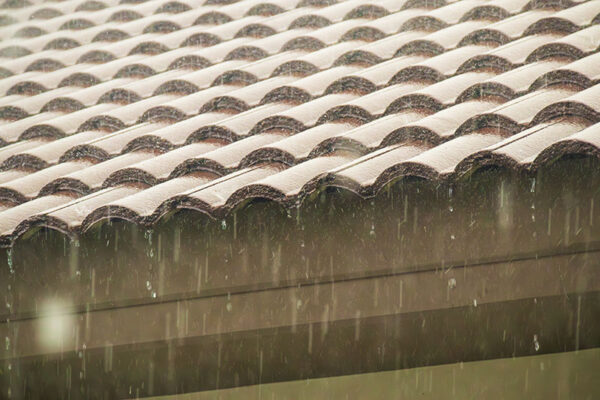
One of the biggest mistakes homeowners make after a storm is assuming that no visible damage means the roof is fine. In reality, storm-related roof damage often starts beneath the surface. Wind uplift can loosen shingles, crack tiles, or shift flashing without tearing materials off completely. Heavy rain can then exploit those weak points, leading to slow leaks that may not appear indoors for weeks or even months.
In Southwest Florida, Roofing Rescue frequently finds underlayment damage during post-storm inspections even when the roof appears visually sound. This hidden damage reduces the roof’s ability to shed water and withstand future storms. Over time, moisture intrusion can affect roof decking, insulation, and interior finishes, significantly increasing repair costs.
Storm damage roof repair is most effective when issues are identified early. Waiting until interior signs appear often means the damage has already worsened, limiting repair options and increasing the likelihood of replacement.
Immediate Steps to Take After a Storm
After a major storm, safety should always come first. Avoid climbing onto your roof, especially if surfaces are wet or unstable. Instead, perform a ground-level inspection of your property. Look for missing or displaced shingles, cracked or broken tiles, dented metal panels, and debris on or around the roof.
Inside your home, check ceilings, walls, and attic spaces for water stains, discoloration, or musty odors. These can indicate early moisture intrusion. Document everything you see with photos and notes, even if the damage seems minor. This documentation can be crucial for insurance purposes later.
If you notice active leaks or significant damage, emergency roof repair Florida services such as temporary tarping may be necessary to prevent further water intrusion. Temporary measures do not replace permanent storm damage roof repair, but they can limit additional damage while next steps are planned.
Scheduling a Post-Storm Roof Inspection
A professional post-storm roof inspection is one of the most important steps you can take after severe weather. Licensed roofing contractors understand how storms affect different roofing materials and know where to look for hidden damage. Roofing Rescue provides detailed inspections that assess surface materials, flashing, fasteners, underlayment, and overall roof integrity.
Post-storm inspections also play a critical role in insurance claims. Insurance companies often require professional documentation to support storm damage roof repair or replacement. A thorough inspection report with photographs and written findings strengthens your claim and helps ensure you are not held responsible for pre-existing or unrelated issues.
Even if you are unsure whether damage exists, scheduling an inspection provides clarity and peace of mind. It also establishes a documented timeline showing that you acted promptly after the storm.
Understanding Roof Damage Severity
Not all storm damage is equal, and understanding roof damage severity helps determine the appropriate solution. Minor damage may include a few missing shingles, small cracks in tiles, or limited flashing displacement. In these cases, storm damage roof repair can often restore full functionality without replacing the entire roof.
Moderate damage may involve widespread material loosening, underlayment exposure, or repeated leak points. While repairs may still be possible, the overall roof age and condition become important factors. Repairs on an aging roof may provide only temporary relief.
Severe damage includes structural issues, widespread underlayment failure, sagging rooflines, or extensive water intrusion. In these situations, replacement is often the safest and most cost-effective option. A professional assessment helps homeowners avoid underestimating damage severity and making decisions that could lead to future failures.
Repair or Replace: How Professionals Decide
One of the most common questions homeowners ask after a storm is whether they should repair or replace their roof. The answer depends on several factors, including roof damage severity, roof age and condition, and the overall cost of repair versus replacement.
For newer roofs with localized damage, storm damage roof repair is often the preferred solution. Repairs can extend the roof’s lifespan and restore protection without the expense of full replacement. However, for older roofs nearing the end of their expected lifespan, repairs may only delay the inevitable.
Cost repair vs replacement is another key consideration. Multiple repairs over a short period can quickly approach the cost of replacement while offering less reliability. Roofing Rescue evaluates these factors objectively and provides homeowners with clear recommendations based on long-term value, not short-term convenience.
Insurance Considerations After Storm Damage
Insurance plays a significant role in storm damage roof repair decisions. Many Florida insurance policies require prompt reporting of damage and professional documentation. Delaying inspections or repairs can jeopardize coverage or result in claim denials.
Insurance adjusters may evaluate roof age, prior maintenance, and damage severity when determining coverage. Having a licensed contractor conduct the inspection helps ensure damage is accurately identified and documented. This reduces the risk of disputes or underpayments.
Homeowners should avoid making permanent repairs before consulting their insurance provider unless emergency mitigation is required. Temporary measures are generally acceptable, but permanent repairs should be coordinated to ensure compliance with policy requirements.
Why Roof Age and Condition Matter After a Storm
Roof age and condition significantly influence post-storm decisions. Insurance companies in Florida often apply age thresholds, particularly for asphalt shingle roofs. Even if storm damage appears minor, an older roof may no longer meet insurability standards.
An aging roof is also more susceptible to additional damage during storms. Materials become brittle over time, making them less capable of withstanding wind and impact forces. In these cases, storm damage roof repair may not provide a lasting solution.
Understanding how your roof’s age and condition affect repair options allows for better planning and fewer surprises. A professional inspection provides the information needed to make informed decisions.
Planning for Long-Term Protection After the Storm
Storm recovery is not just about fixing immediate damage. It is also an opportunity to evaluate whether your current roof system provides adequate protection for future storms. Upgrading materials, improving underlayment systems, or addressing ventilation issues can enhance long-term performance.
Homeowners in Lee, Charlotte, and Collier Counties face ongoing exposure to severe weather. Taking a proactive approach after a storm helps reduce future risk and improves resilience. Roofing Rescue emphasizes solutions designed for Florida’s climate, not generic fixes.
Long-term planning may include budgeting for future replacement, exploring financing options, or scheduling regular inspections. These steps help homeowners stay ahead of potential issues rather than reacting to emergencies.
Final Thoughts on Storm Damage Roof Repair
Storm damage roof repair requires timely action, professional guidance, and careful consideration of long-term outcomes. Florida storms can cause damage that is not immediately visible, making inspections essential even when no obvious signs appear. Understanding damage severity, roof age, and insurance requirements helps homeowners avoid costly mistakes.
If you suspect roof damage after a storm and want expert guidance on inspections, documentation, or compliance considerations, reach out for professional support. Contact The Inspection Group to learn more about training, inspections, and compliance assistance to help protect your property and ensure informed decisions after severe weather.