Understanding roof repair cost florida homeowners face is essential after storms, leaks, or unexpected damage. In Southwest Florida, roof repair pricing varies widely depending on the type of damage, roofing material, insurance involvement, and how quickly the issue is addressed. Many homeowners are surprised to learn that small problems can become expensive repairs if delayed, while others overestimate costs and postpone necessary work. Knowing what influences roof repair pricing helps homeowners make informed decisions that protect both their home and insurance coverage long-term.
Why Roof Repair Costs Vary So Much in Florida Homes
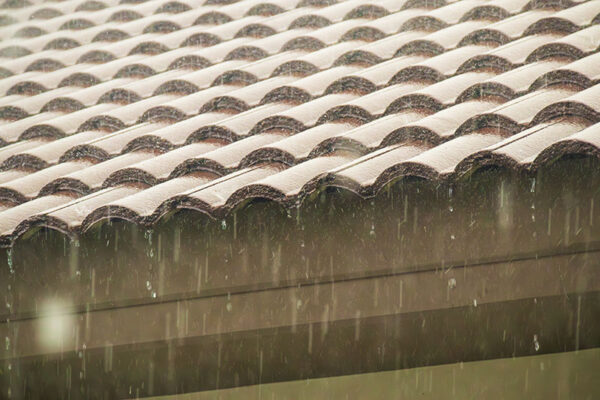
Roof repair cost Florida homeowners experience is influenced by environmental conditions that accelerate wear and damage. Intense sunlight, high humidity, and frequent storms create unique challenges that are not present in many other states. Even minor roof issues can worsen quickly when exposed to repeated rainfall or moisture intrusion. As a result, repair costs often reflect not just the visible damage, but the hidden effects beneath the surface as well.
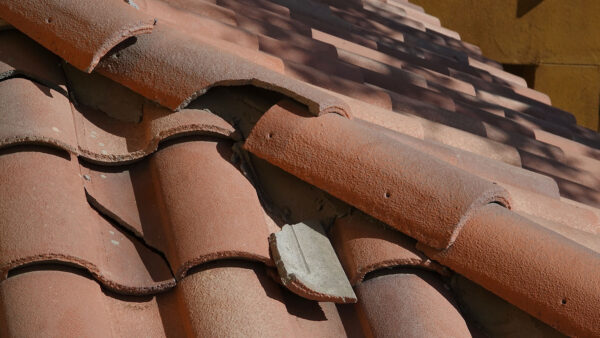
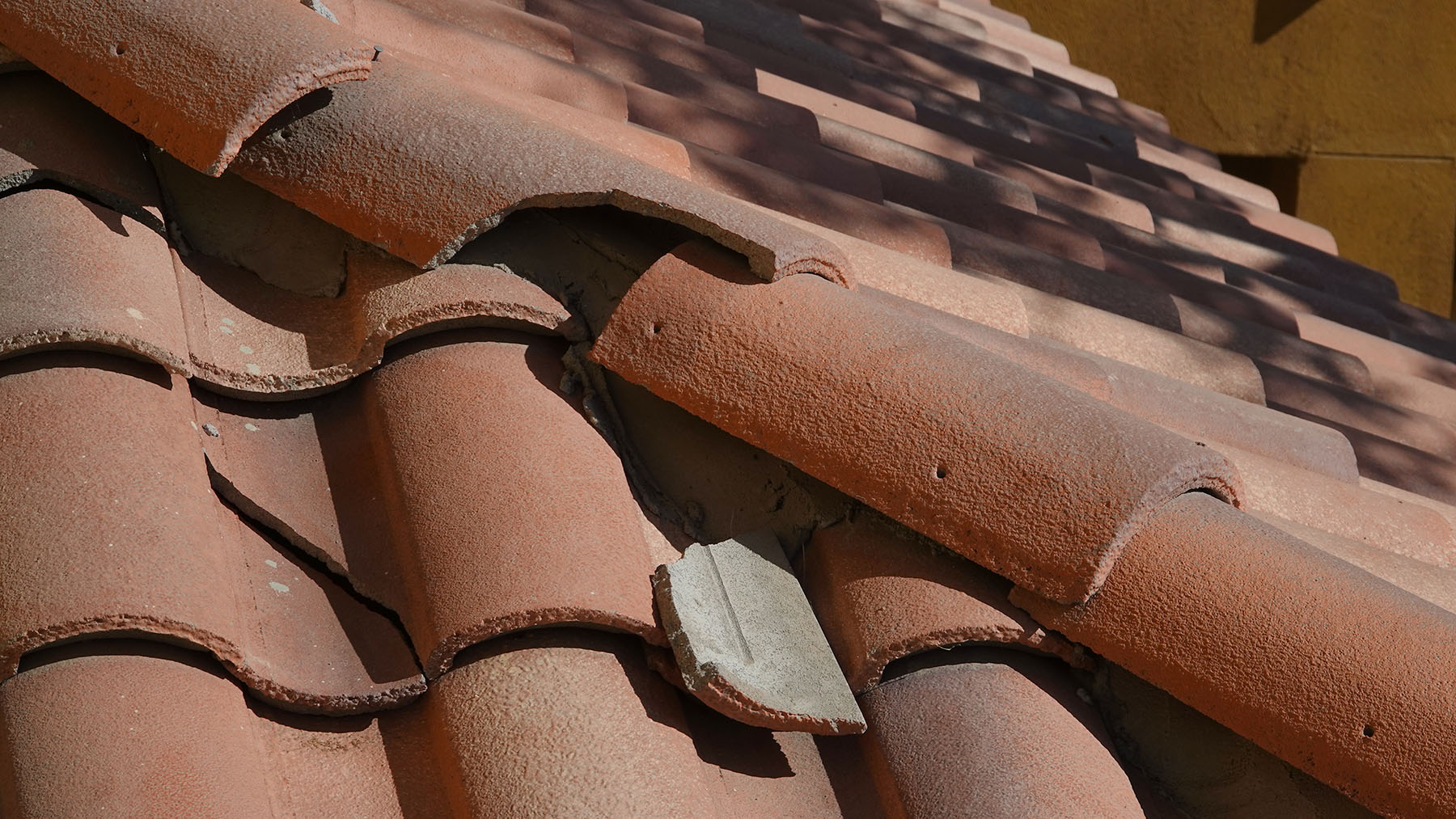
Material type also plays a major role. Asphalt shingles, tile, and metal roofing systems all require different repair techniques and labor levels. Repairs to tile roofs often involve addressing underlayment damage, which can increase costs even when tiles themselves appear intact. Metal roof repairs may involve specialized fasteners or coatings, particularly in coastal areas where corrosion is a concern. These material-specific factors contribute to the wide range of pricing homeowners encounter across Southwest Florida today.
Average Roof Repair Cost in Southwest Florida
While exact pricing varies by project, average roof repair cost Florida homeowners see typically ranges from a few hundred dollars for minor repairs to several thousand dollars for more extensive damage. Small repairs such as replacing a few shingles, resealing flashing, or addressing a minor leak may fall on the lower end of the spectrum. More complex repairs involving underlayment, decking, or widespread storm damage can significantly increase costs quickly.
Storm-related repairs often cost more due to urgency, safety concerns, and the extent of damage involved. Roofing Rescue regularly evaluates roofs after storms in Lee, Charlotte, and Collier Counties where damage severity is not immediately obvious but requires comprehensive repair. These situations often require professional inspection and documentation to determine the true scope of work and associated costs before proceeding properly.
How Insurance Impacts Roof Repair Cost in Florida
Insurance plays a major role in determining out-of-pocket roof repair cost Florida homeowners pay after storm damage. Many homeowners assume insurance will cover all repairs, but coverage depends on policy terms, roof age, and the cause of damage. Storm-related damage such as wind or hail is often covered, while wear-and-tear or maintenance-related issues typically are not included.
Filing a roof insurance claim Florida homeowners must follow specific procedures and timelines. Prompt inspections and documentation are critical to establishing coverage. Delayed reporting or unprofessional repairs can lead to claim denials or reduced payouts. Working with a licensed roofing contractor ensures damage is properly identified and documented in a way that aligns with insurance requirements and avoids unnecessary complications during the claims process entirely.
What Types of Roof Repairs Are Usually Covered by Insurance
Insurance covered roof repairs typically include damage caused by sudden and accidental events, such as hurricanes, tropical storms, or fallen debris. Wind uplift that loosens shingles, cracked tiles from impact, and water intrusion caused by storm-related damage may qualify for coverage depending on the policy. Emergency measures like temporary tarping are often allowed to prevent further damage while a claim is under review in most cases.
However, coverage is not guaranteed, and exclusions apply. Insurers may deny claims if damage is attributed to long-term neglect, improper installation, or pre-existing conditions. Understanding what qualifies as storm damage insurance roof coverage helps homeowners avoid unexpected costs and sets realistic expectations when evaluating repair options after severe weather events.
Common Roof Claim Exclusions Homeowners Should Know About
Roof claim exclusions are a frequent source of frustration for Florida homeowners. Many policies exclude coverage for roofs beyond a certain age, particularly asphalt shingle roofs. Others limit payouts based on depreciated value rather than replacement cost, increasing out-of-pocket expenses for repairs. Cosmetic damage that does not affect roof functionality may also be excluded from coverage altogether.
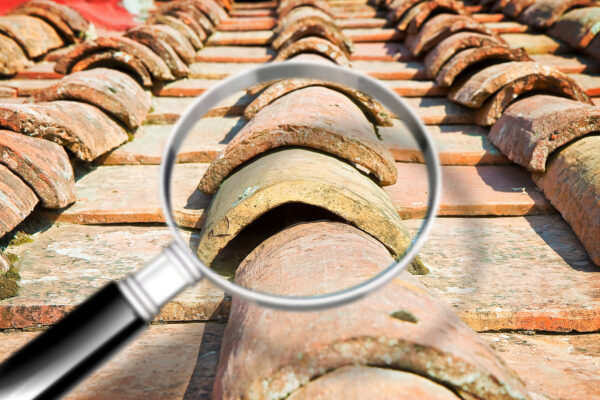
Maintenance-related issues such as slow leaks, deteriorated flashing, or worn underlayment are often excluded as well. These exclusions highlight the importance of regular inspections and proactive maintenance. Addressing small issues early can help preserve coverage eligibility and reduce the likelihood of denied claims when storm damage occurs later on.
Storm Damage vs Wear and Tear: Why the Difference Matters
Distinguishing between storm damage and normal wear and tear is critical when evaluating roof repair cost Florida homeowners face. Insurance adjusters assess whether damage was caused by a specific storm event or developed gradually over time. Even when a storm occurs, insurers may argue that damage was pre-existing if documentation does not clearly support recent impact or wind-related causes specifically.
Professional inspections help establish this distinction. Roofing Rescue provides detailed post-storm assessments that identify storm-related damage and differentiate it from age-related deterioration. This documentation supports accurate claims and ensures homeowners are not unfairly responsible for repair costs that should be covered under their policy terms.
How Roof Age and Condition Affect Repair Costs
Roof age and overall condition heavily influence repair decisions and costs. Older roofs are more brittle and less resilient, making repairs more complex and less effective. Insurance companies may require replacement instead of repair when roofs exceed certain age thresholds, particularly if multiple issues are present. In these cases, repair costs may not be the deciding factor — insurability becomes the primary concern instead.
For newer roofs in good condition, repairs are often straightforward and cost-effective. Timely repairs restore functionality and extend roof life without the need for full replacement. Understanding where your roof falls within its lifespan helps set realistic expectations for both repair options and associated costs moving forward.
How to Control Roof Repair Costs and Avoid Surprises
Homeowners can take several steps to manage roof repair cost Florida conditions create. Scheduling regular inspections, especially after storms, allows issues to be addressed early. Acting quickly reduces the likelihood of moisture spreading and causing secondary damage that increases repair scope and cost significantly.
Working with a licensed contractor ensures repairs meet Florida building codes and insurance standards. Avoiding unlicensed or temporary storm contractors reduces the risk of improper repairs that lead to denied claims or future failures. Clear communication, documentation, and professional guidance help homeowners control costs while protecting their long-term investment effectively.
Final Thoughts on Roof Repair Cost in Southwest Florida
Roof repair cost Florida homeowners face depends on many interconnected factors, including damage severity, roofing material, insurance coverage, and roof age. Understanding these variables allows homeowners to approach repairs with confidence rather than uncertainty. Florida’s climate makes proactive inspections and informed decisions essential for minimizing unexpected expenses and protecting insurance eligibility over time.
If you need guidance on inspections, documentation, or compliance considerations related to roof repairs and insurance claims, professional support can help. Contact The Inspection Group to learn more about training, inspections, and compliance services that help homeowners make informed roofing decisions and protect their property with confidence today.