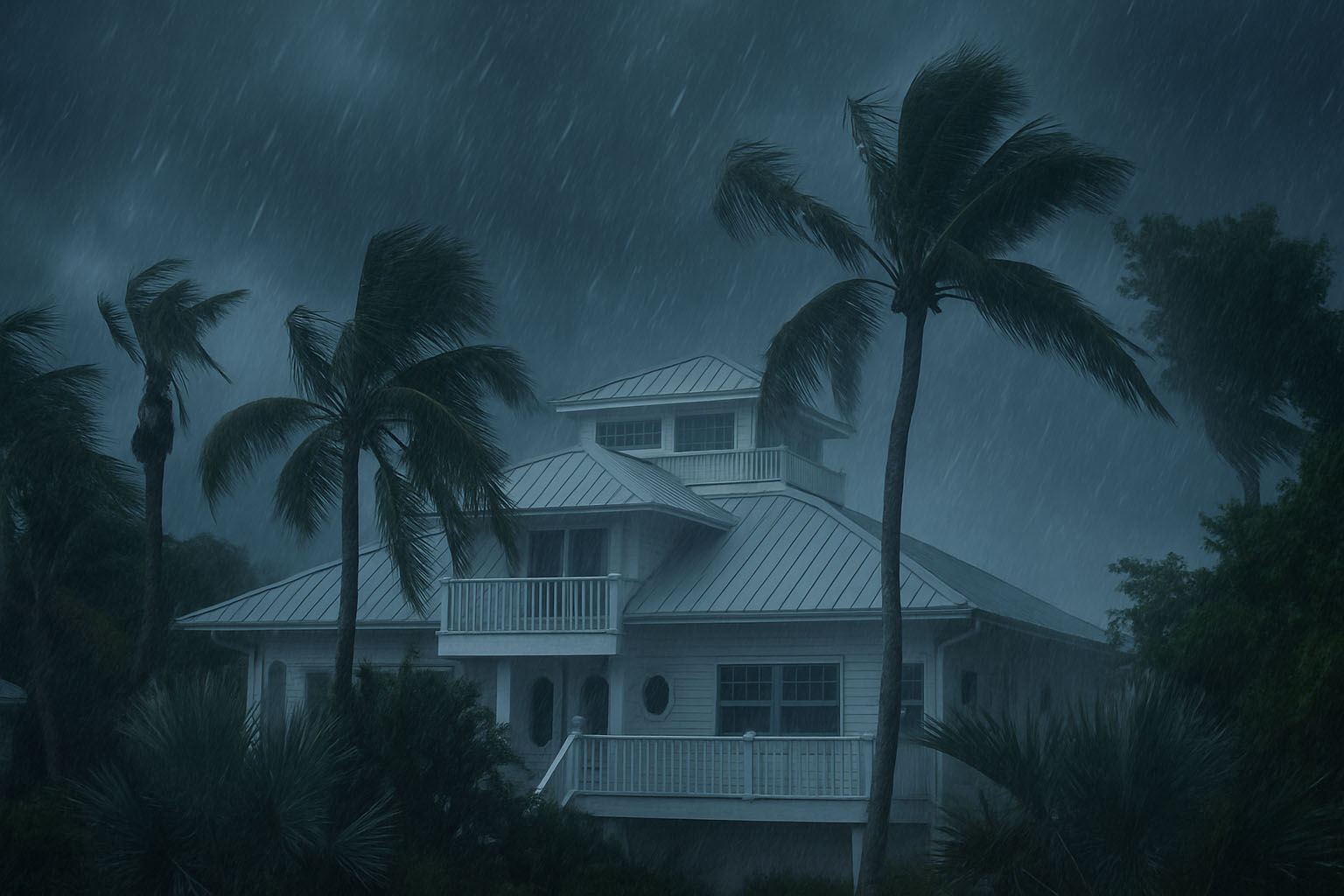
Hurricane roof insurance coverage is one of the most misunderstood aspects of homeownership in Florida. After a major storm, many homeowners assume their insurance policy will automatically cover all roof damage, only to discover limitations, exclusions, and strict documentation requirements. In Southwest Florida, where hurricanes and tropical storms are a real and recurring threat, understanding what insurance covers—and what it does not—is critical. Knowing how coverage works helps homeowners protect their roof, avoid costly claim mistakes, and make informed decisions after a storm event.
How Hurricane Damage Is Evaluated by Insurance Companies
Insurance companies evaluate hurricane roof damage based on cause, severity, and documentation. Coverage typically applies to sudden and accidental damage caused directly by wind, flying debris, or storm-related impact. Adjusters look for clear evidence that damage occurred as a result of the hurricane and not from pre-existing wear, aging materials, or lack of maintenance over time.
In Florida, insurers closely examine the condition of the roof prior to the storm. Roof age, material type, and prior repairs all factor into the claim decision. Even when a hurricane passes through the area, insurers may deny coverage if they determine damage resulted from long-term deterioration rather than storm forces. This makes professional inspections and timely reporting essential to preserving hurricane roof insurance coverage eligibility.
What Hurricane Roof Insurance Coverage Typically Includes
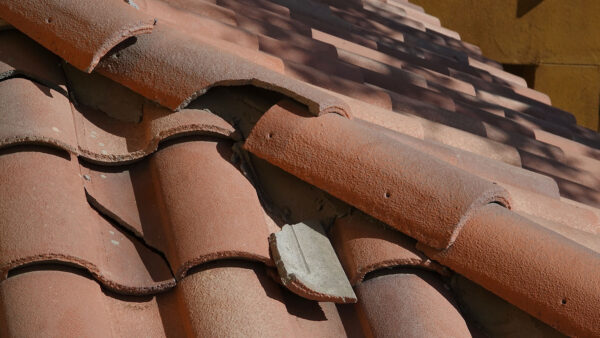
Most Florida homeowners insurance policies cover roof damage caused by hurricane-force winds and storm-related debris. This may include missing or lifted shingles, cracked or displaced tiles, damaged flashing, and water intrusion caused by wind-driven rain. Emergency mitigation, such as temporary tarping, is often allowed to prevent further damage while a claim is being evaluated properly.
Coverage may also include repairs necessary to restore the roof to a functional condition. However, insurers do not always cover upgrades or full replacements unless damage meets specific thresholds. Understanding these limits helps homeowners set realistic expectations when filing claims after a major storm event.
Common Exclusions That Affect Hurricane Roof Insurance Coverage
Despite widespread storm damage, many claims are reduced or denied due to policy exclusions. Wear and tear, improper installation, deferred maintenance, and age-related deterioration are commonly excluded. If a roof was already nearing the end of its lifespan, insurers may argue that the hurricane only revealed existing problems rather than caused new damage outright.
Some policies also apply percentage-based hurricane deductibles, which can significantly increase out-of-pocket costs. Cosmetic damage that does not affect the roof’s ability to shed water may be excluded as well. These exclusions often surprise homeowners who are unfamiliar with the fine print of their insurance policy before a storm occurs.
The Importance of an Insurance Roof Inspection
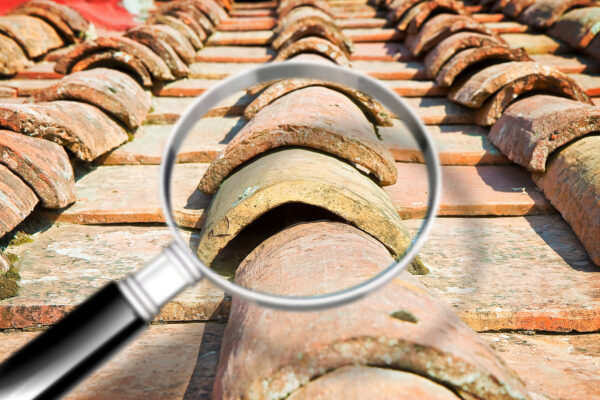
An insurance roof inspection plays a critical role in determining whether hurricane roof insurance coverage applies. Insurers rely heavily on inspection findings to validate claims. A professional inspection identifies storm-related damage, documents affected areas, and distinguishes hurricane impact from normal aging or unrelated issues clearly.
Roofing Rescue frequently performs inspections where damage is not visible from the ground but is evident upon closer examination. Lifted shingles, compromised underlayment, and subtle structural shifts can all affect coverage outcomes. Without a thorough inspection, these issues may go undocumented, reducing the likelihood of claim approval significantly.
What Roof Inspectors Look for After a Hurricane
Understanding what roof inspectors look for helps homeowners appreciate the value of a professional assessment. Inspectors examine surface materials for wind uplift, cracks, impact marks, and displacement. They also assess flashing, fasteners, vents, and penetrations, which are common failure points during hurricanes specifically.
Beyond surface materials, inspectors evaluate underlayment condition, decking integrity, and signs of moisture intrusion. Interior inspections may include attic spaces to identify water staining, mold growth, or compromised insulation. This comprehensive approach ensures all storm-related damage is identified and properly documented for insurance review purposes.
Using a Professional Roof Inspection Checklist
A professional roof inspection checklist ensures consistency and thoroughness during post-hurricane evaluations. This checklist typically includes roof slope, material condition, fastening systems, flashing integrity, drainage performance, and evidence of wind or impact damage. Detailed photographs and written notes support each finding and strengthen insurance claims documentation.
Homeowners benefit from inspections that follow a structured checklist because nothing is overlooked. Insurers expect clear, organized documentation, and professional reports align with those expectations. This level of detail improves communication with adjusters and reduces the likelihood of disputes over damage origin or severity later.
Why Timing Matters When Filing Hurricane Roof Claims
Timing is critical when it comes to hurricane roof insurance coverage. Most policies require prompt reporting of storm damage. Delays can raise questions about whether damage was caused by the hurricane or occurred afterward due to neglect or secondary exposure. Acting quickly protects coverage rights and demonstrates responsible homeownership behavior.
Early inspections also allow for temporary mitigation if needed, reducing additional damage and associated costs. Roofing Rescue advises homeowners to schedule inspections as soon as conditions are safe following a storm to preserve documentation accuracy and minimize claim complications overall.
The Benefits of Professional Inspections for Homeowners
The benefits of professional roof inspections extend beyond insurance claims. Inspections provide homeowners with clarity about their roof’s condition, repair needs, and long-term outlook. This information supports informed decisions about repair versus replacement, budgeting, and future maintenance planning overall.
Professional inspections also offer peace of mind during a stressful time. Knowing that damage has been properly evaluated and documented allows homeowners to focus on recovery rather than uncertainty. This guidance-driven approach aligns with the needs of Florida homeowners who value accuracy and transparency over guesswork or rushed decisions after storms.
Final Thoughts on Hurricane Roof Insurance Coverage
Hurricane roof insurance coverage can provide essential financial protection, but only when homeowners understand how policies work and take the right steps after a storm. Coverage depends on cause, condition, documentation, and timing, making professional inspections a critical part of the process. Florida’s storm-prone environment demands proactive action and informed decision-making to avoid costly surprises later.
If you need guidance on inspections, documentation, or compliance requirements related to hurricane damage and insurance claims, professional support can help. Contact The Inspection Group to learn more about training, inspections, and compliance services that help protect your property and support confident, informed roofing decisions today.